Past Paper Questions
WJEC Level 1/2 Constructing the Built Environment – Unit 1: Safety and Security
Complete the table to identify the correct colour code for each type of extinguisher and give an example of a type of fire where each may be used. (Water = Red / Paper is given.)
| Extinguisher type | Colour code | Type of fire |
|---|---|---|
| Dry powder | ||
| CO2 | ||
| Wet chemical |
There has been a health and safety incident at a site involving a lack of PPE and incorrect disposal of hazardous waste. The HSE will be visiting the site.
Describe the role of the HSE.
Identify two actions the HSE might take following a health and safety incident involving lack of PPE and incorrect disposal of hazardous waste.
Name the legislation that covers the disposal of hazardous waste.
Name legislation that covers PPE.
Match each safety sign to its correct type.
| Description | Prohibition | Mandatory | Hazard |
|---|---|---|---|
| Circular sign with red border and diagonal line through a cigarette (No Smoking) | |||
| Solid blue circular sign showing eye/goggle protection symbol | |||
| Yellow triangular sign with black border showing a lightning bolt |
State the meaning of each of the following signs:
- Circular red-bordered sign with a diagonal line
- Solid blue circular sign with goggles symbol
- Yellow triangular sign with a lightning bolt
A construction company is undertaking work on a busy street. Only a temporary fence has been erected.
Describe two other control measures that could be taken to minimise health and safety risks to members of the public when work is taking place.
Working in the middle of a busy city can affect the delivery of materials. Describe one control measure to minimise risk when deliveries are taking place.
There are several security risks that may arise when working in the centre of a city.
Identify two security risks that could arise from working in the centre of a city.
Identify and describe two control measures to reduce security risks when working in the centre of a city.
Explain how a safety harness prevents injury.
Explain how safety boots prevent injury.
Explain how safety gloves prevent injury.
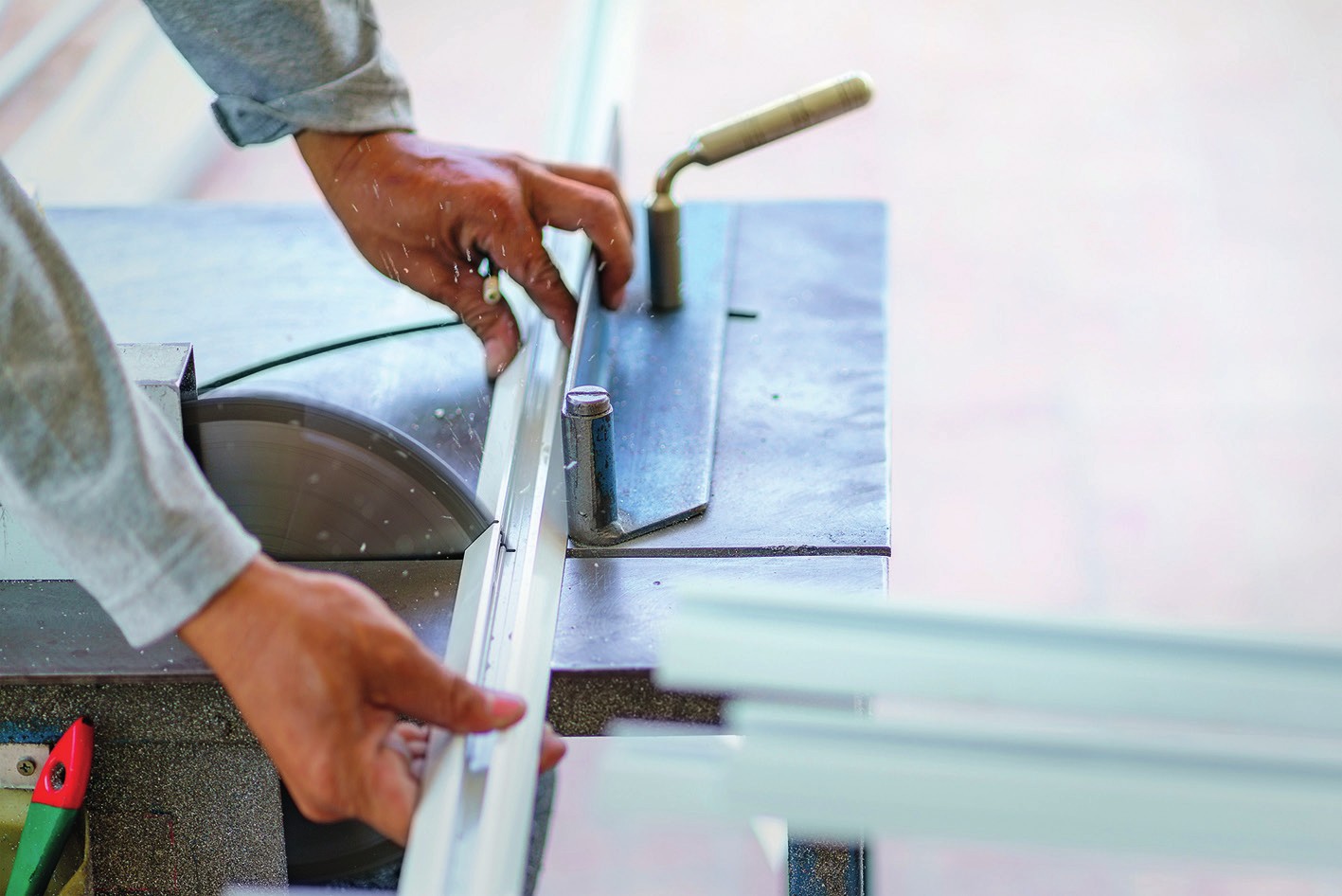
An important part of working on site is identifying hazards and assessing risks for likelihood of harm and severity of injury. Assess the photograph for: (i) Likelihood of harm (ii) Type of injury
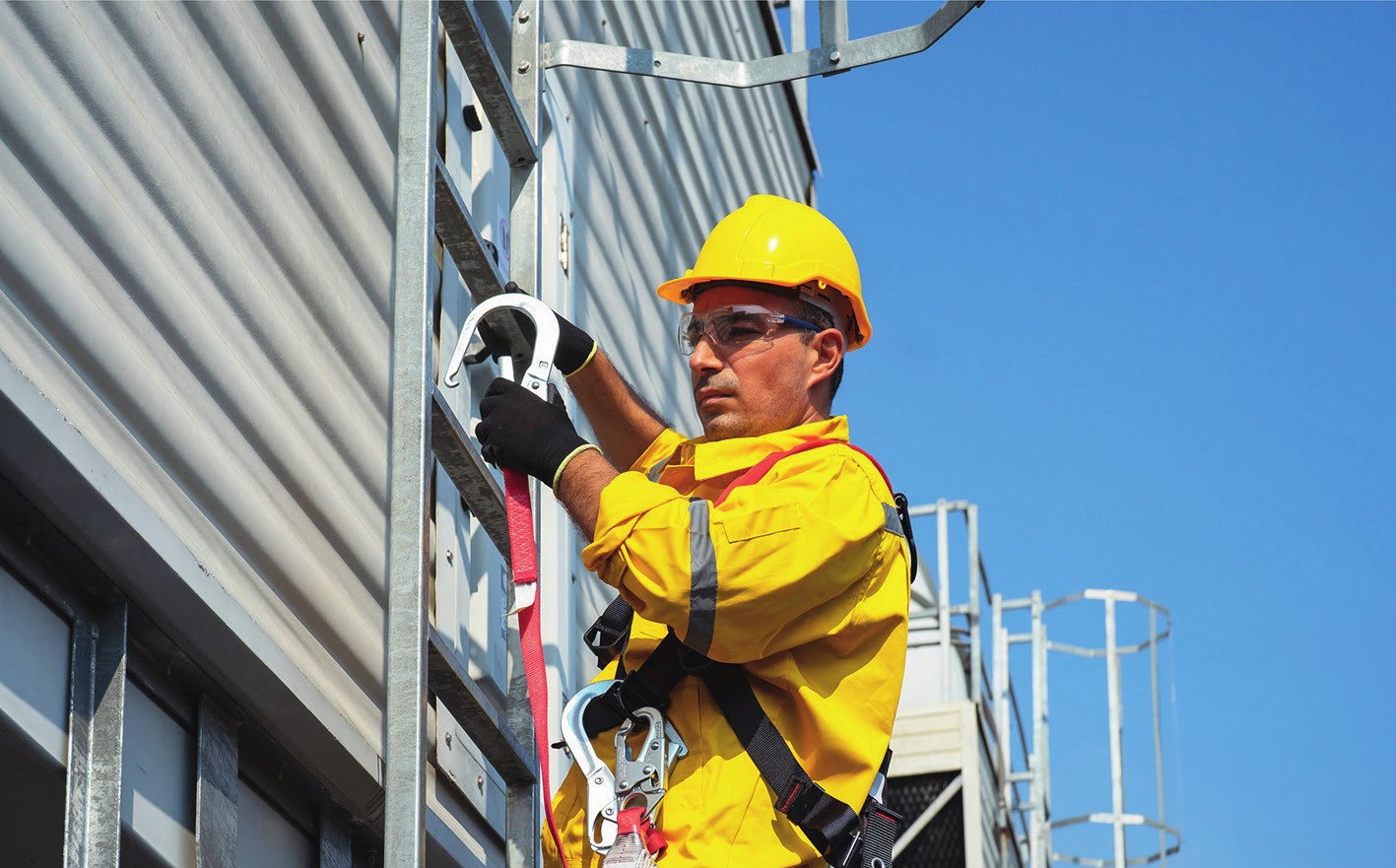
Assess the photograph for: (i) Likelihood of harm (ii) Type of injury
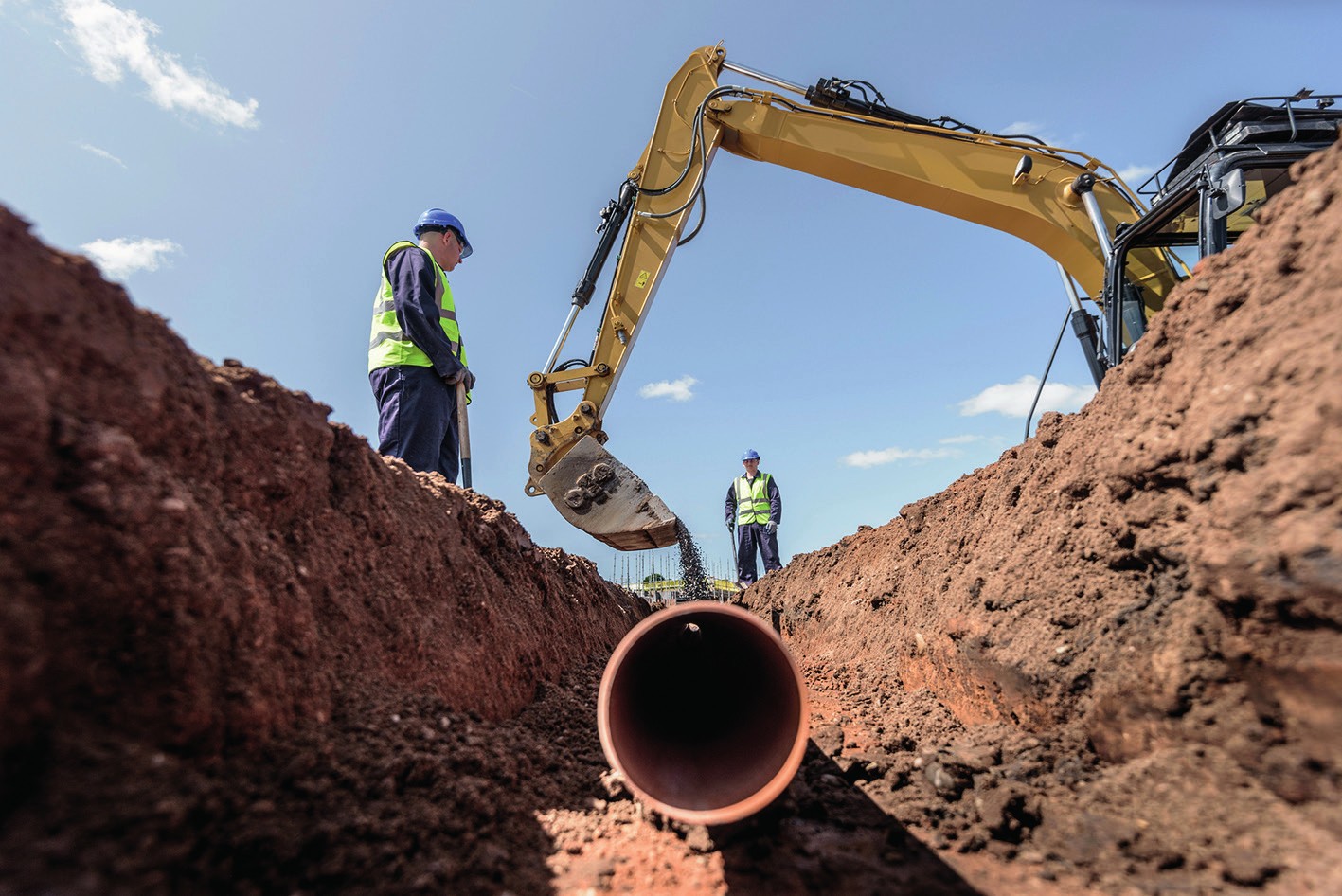
The photograph was taken at a construction site and clearly indicates some potential hazards. Write a risk assessment for the situation and recommend control measures.
(1) Identify the hazard (2) Describe the risks (3) Recommend control measures
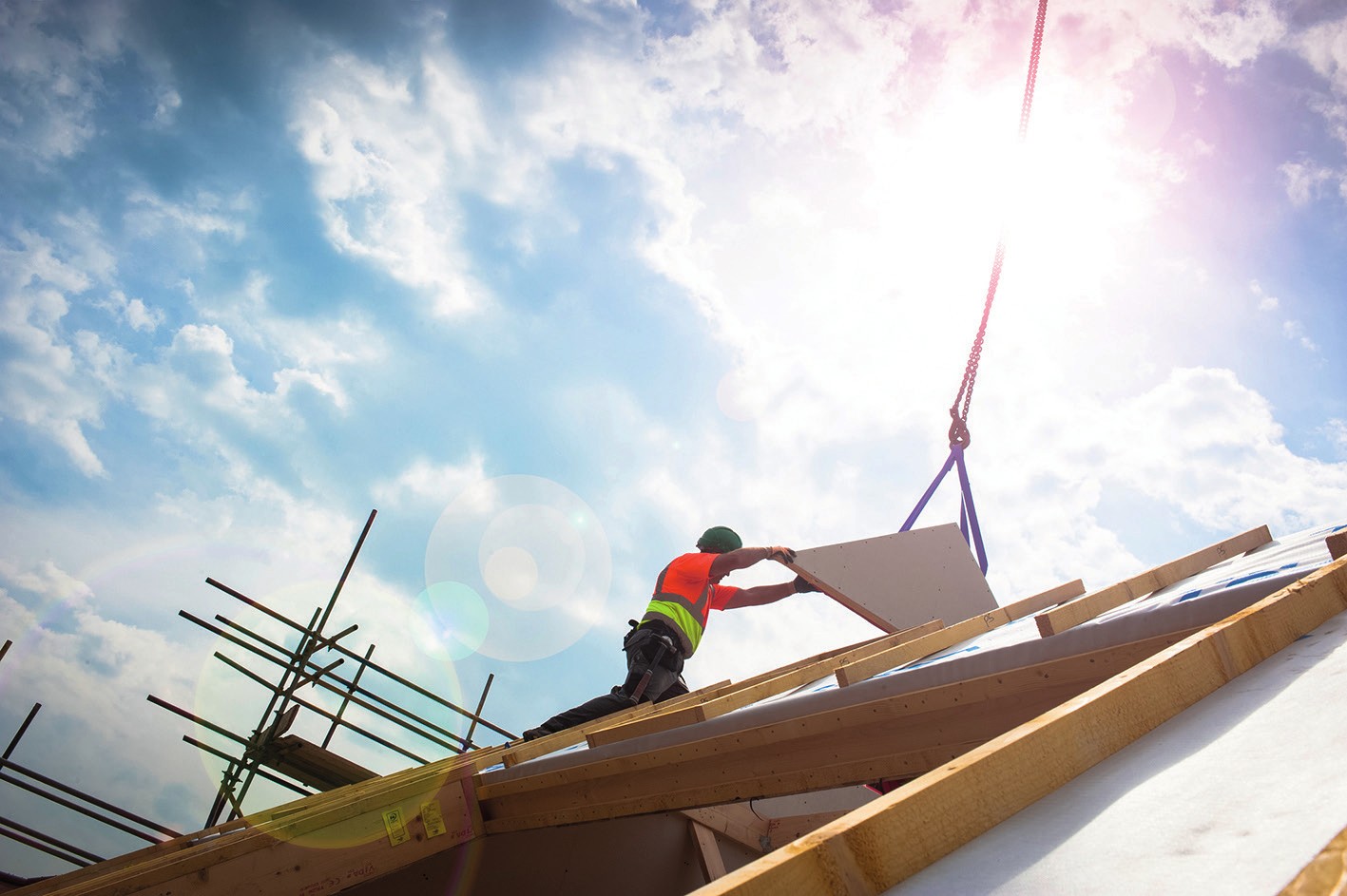
The photograph was taken at a construction site and clearly indicates some potential hazards. Write a risk assessment for the situation and recommend control measures.
(1) Identify the hazard (2) Describe the risks (3) Recommend control measures
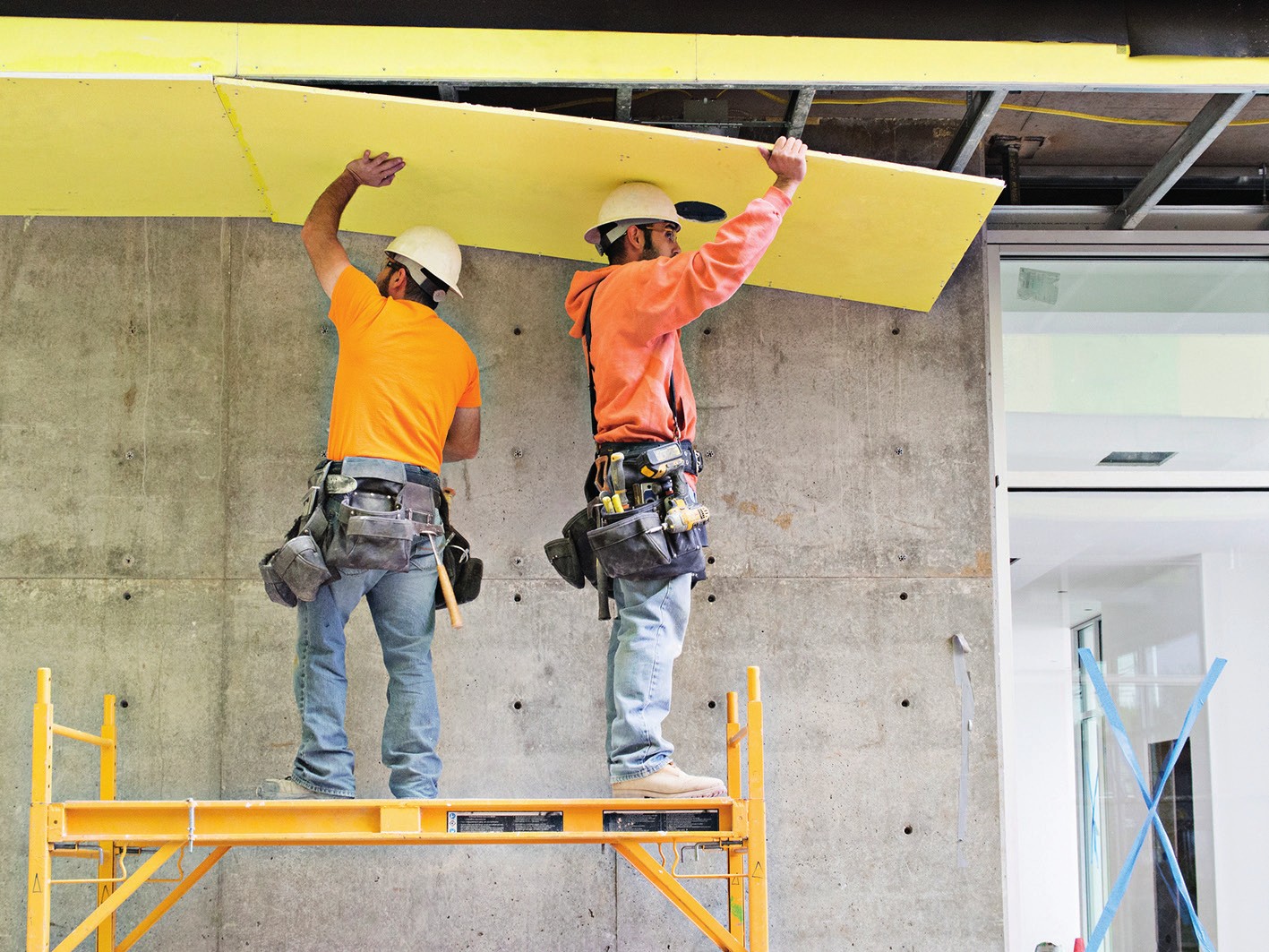
The photograph was taken at a construction site and clearly indicates some potential hazards. Write a risk assessment for the situation and recommend control measures.
(1) Identify the hazard (2) Describe the risks (3) Recommend control measures
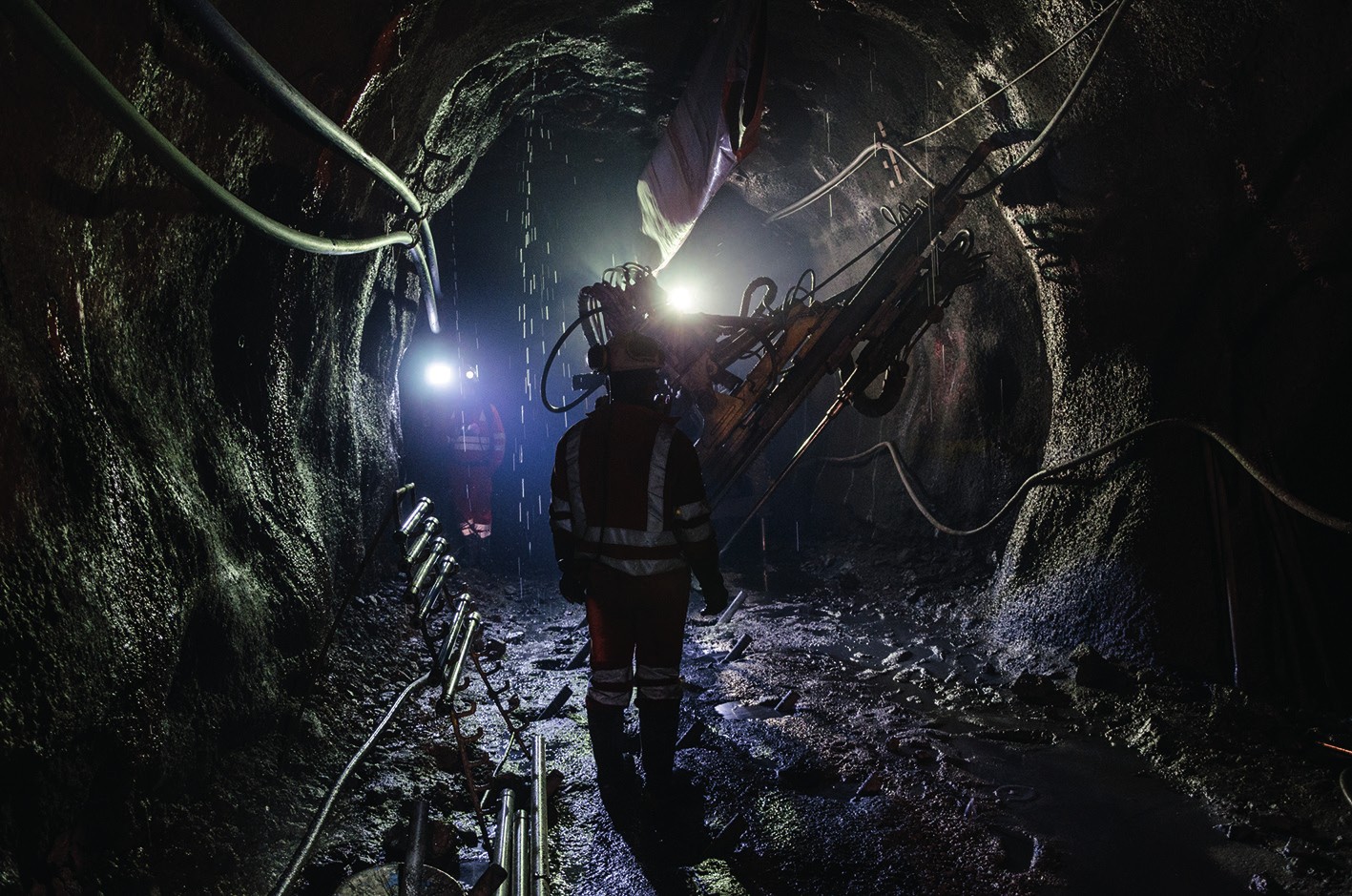
The photograph was taken at a construction site and clearly indicates some potential hazards. Write a risk assessment for the situation and recommend control measures.
(1) Identify the hazard (2) Describe the risks (3) Recommend control measures

Many staff have been issued with a company laptop or tablet. Senior staff often have sensitive information regarding employees and site details stored on their devices, which are sometimes left on site overnight.
Identify two security risks that arise when leaving any device on site overnight.
Identify one control measure an individual member of staff could use to reduce a security risk from leaving their device on site overnight, and provide a valid reason for its use.
Identify one control measure SDB as a company could use to reduce a security risk from staff leaving devices on site overnight, and provide a valid reason for its use.
A site safety board has two signs missing. The five available replacement signs are:
- A: Red circle with a figure holding their hand up (No unauthorised access)
- B: A warning triangle
- C: A fire-related sign
- D: Blue circle with a high-visibility vest
- E: Another sign
Which two signs (A–E) are missing from the board?
The site safety board is also missing two essential pieces of text under the ‘Warning’ headings. Write the missing text for both Warning spaces.
A sign on the board reads: ‘All accidents must be reported immediately’
(i) Identify the type of this sign. (ii) State the purpose of this sign as a control measure.
Signage is one control measure used to minimise health and safety risks.
(i) Another control measure is a method statement. Explain the purpose of a method statement. [2]
(ii) State one other control measure likely to be used to minimise health and safety risks. [1]
Other than hard hats and high visibility jackets, identify one appropriate item of PPE for each situation and justify its use. Use a different item of PPE for each situation.
(i) Cutting sheet metal with a circular saw (ii) Fitting tiles on a roof (iii) Carrying bricks around a busy construction site (iv) Mixing potentially hazardous materials on a construction site
Match the specific legislation to each activity.
| Description | Manual Handling Regulations | Health and Safety at Work Act | Control of Substances Hazardous to Health Regulations (COSHH) | Working at Height Regulations |
|---|---|---|---|---|
| Cutting sheet metal with a circular saw | ||||
| Fitting tiles on a roof | ||||
| Carrying bricks around a busy construction site | ||||
| Mixing potentially hazardous materials on a construction site |
A fire has started in an office containing numerous computers and other electronic devices.
(i) Identify one type of fire extinguisher that could be used. (ii) Identify one type of fire extinguisher that should not be used.
A pan of cooking oil has caught fire in a canteen.
(i) Identify one type of fire extinguisher that could be used. (ii) Identify one type of fire extinguisher that should not be used.
Petrol has been spilt and caught fire.
(i) Identify one type of fire extinguisher that could be used. (ii) Identify one type of fire extinguisher that should not be used.
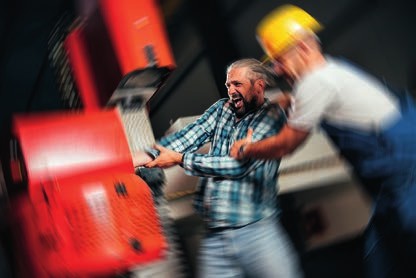
The image was taken from a security camera capturing a serious accident at a site. The worker badly injured his hand when using machinery.
Describe the effect this accident may have on the wellbeing of the worker.
Describe the effect the accident (worker badly injuring his hand using machinery) may have on the employer.
An HSE inspector was called to the site following the accident. Describe the role of the HSE.
State one action the HSE inspector could take if they felt the company was at fault for the accident.
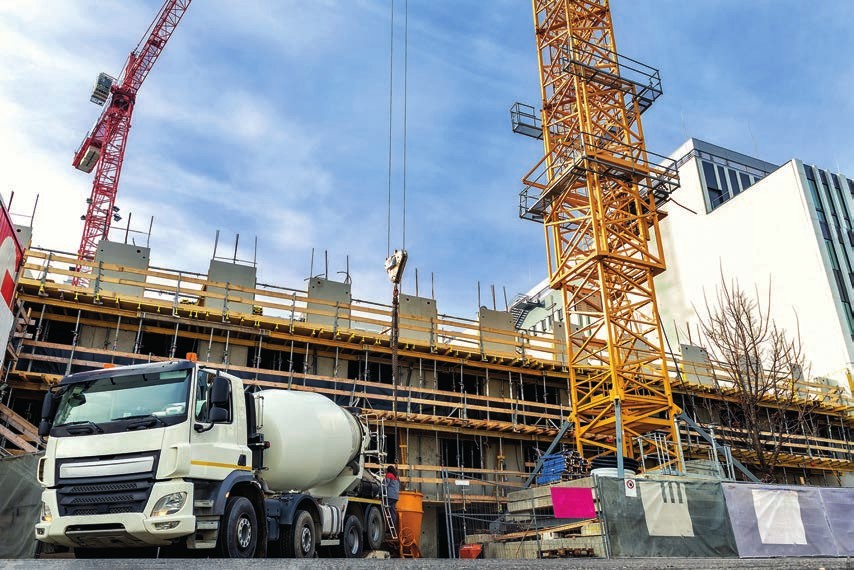
Write a risk assessment for the situation shown in the photograph: identify a hazard, describe the risks present, and recommend control measures.
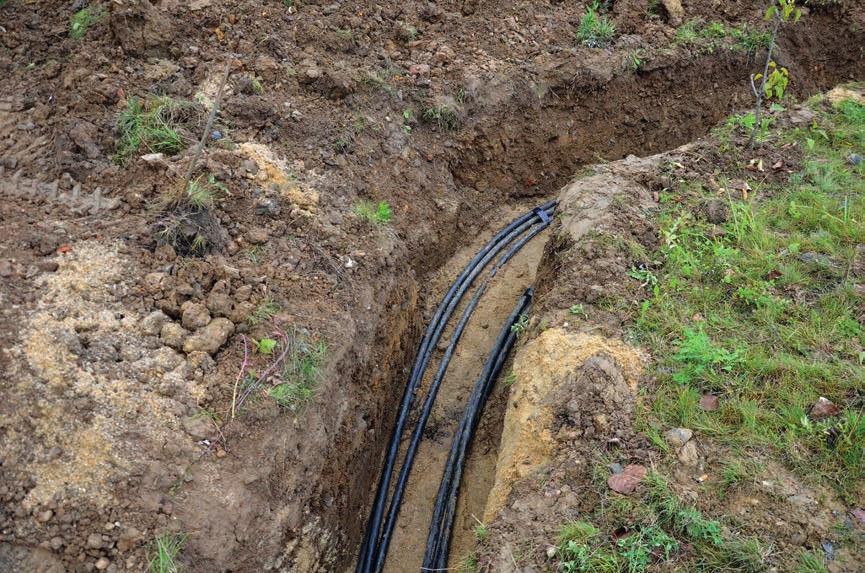
Write a risk assessment for the situation shown in the photograph: identify a hazard, describe the risks present, and recommend control measures.
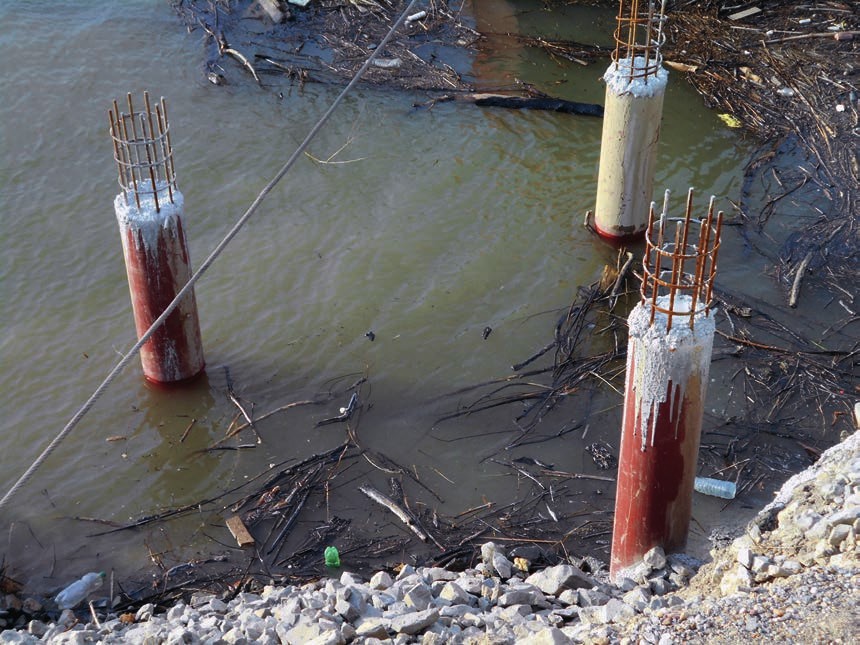
Write a risk assessment for the situation shown in the photograph: identify a hazard, describe the risks present, and recommend control measures.
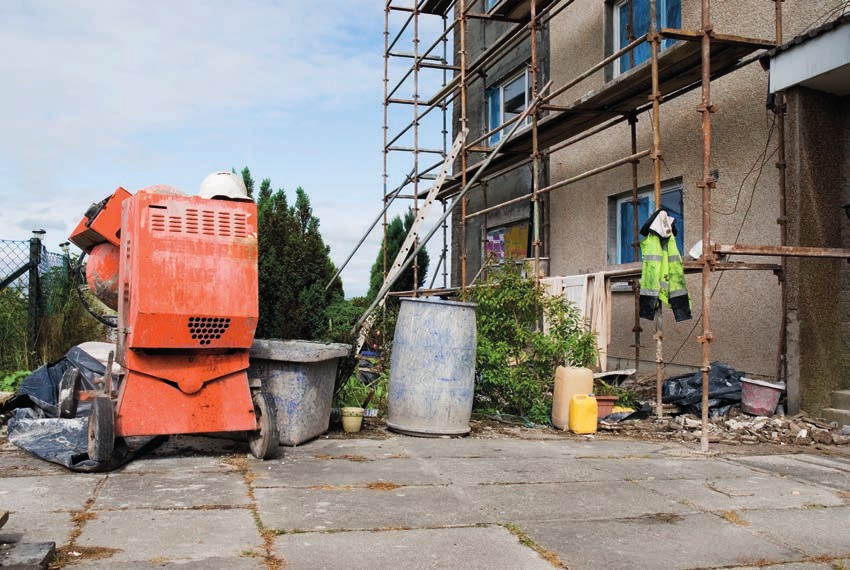
Write a risk assessment for the situation shown in the photograph: identify a hazard, describe the risks present, and recommend control measures.
Identify the types of fire extinguishers shown. A = Carbon Dioxide (CO2) and E = Dry Powder are given.
| Description | Foam | Wet Chemical | Water |
|---|---|---|---|
| B — red cylinder | |||
| C — red cylinder with cream label | |||
| D — red cylinder with white/blue label |
Identify a suitable fire extinguisher for use on an electrical fire inside a building.
Identify a suitable fire extinguisher to be kept in the kitchens in the site offices.
Complete the table — state the type and meaning of each of the following safety signs:
- A solid blue circle with a hard hat symbol
- A yellow triangle with a black exclamation mark
- A red circle with a diagonal line through a flame symbol
- A green rectangle with a white cross/first aid symbol
- A yellow triangle with a flame symbol
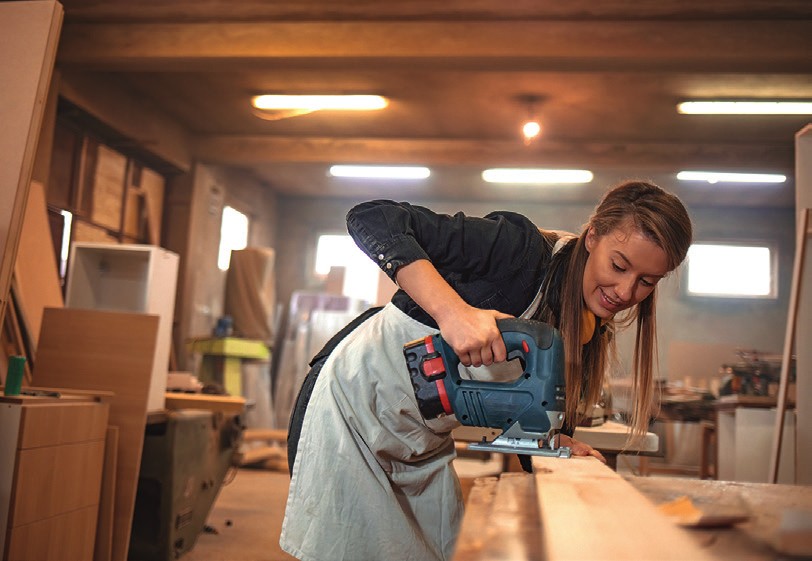
The worker in the photograph is not wearing appropriate PPE. Explain how the following would help prevent or reduce the risk of injury:
(i) Safety glasses/goggles (ii) Ear defenders (iii) Dust mask
Name one piece of legislation that applies when appropriate PPE is not used.

Laptops are used by senior staff members to share data with others on site. Sensitive data on construction projects and construction staff may not be secure.
Describe two actions the company could take to ensure the security of sensitive data held on the laptops.
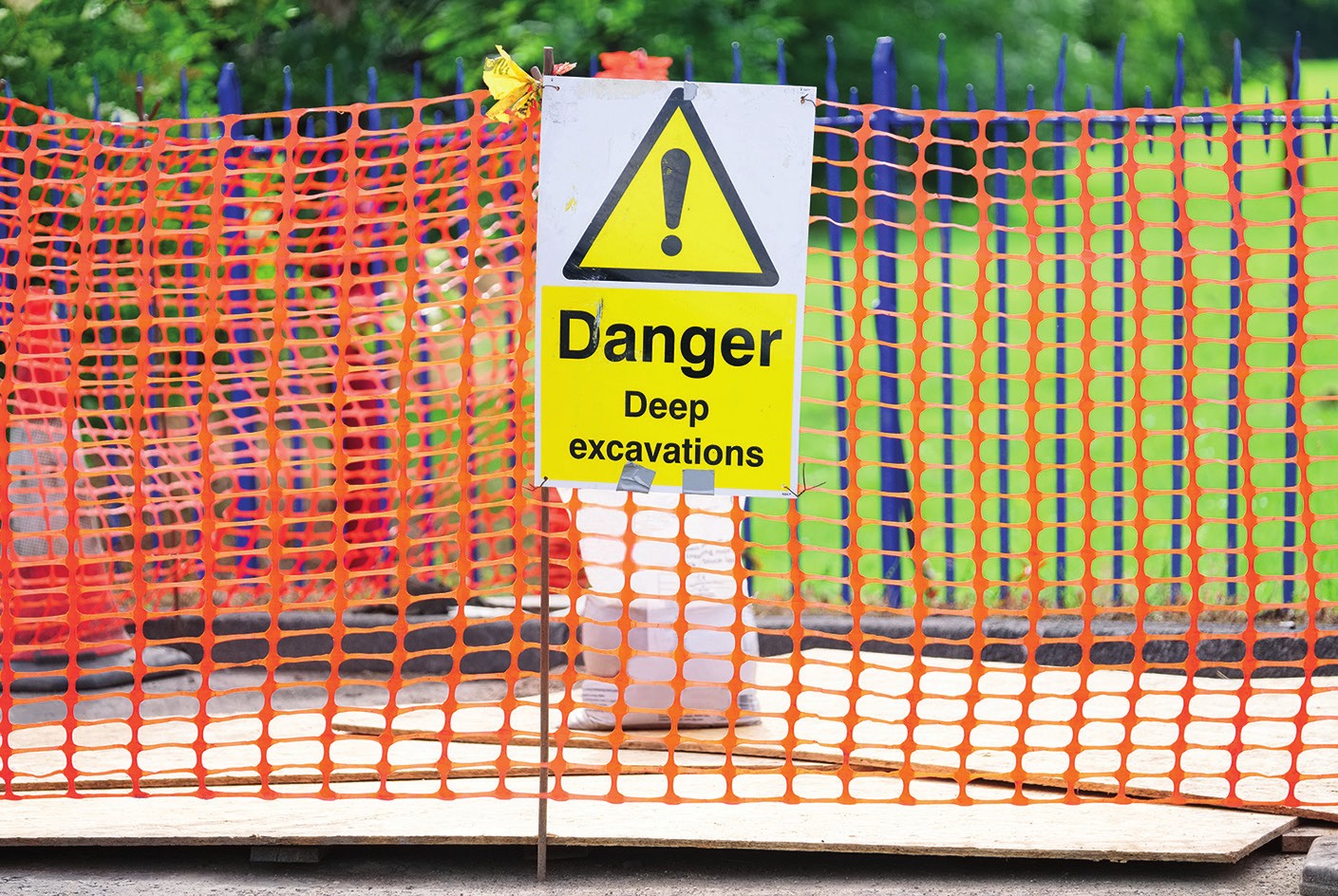
A site boundary is closed off with a plastic mesh barrier, separating an existing school building from the construction site.
Identify two health and safety risks to the school children.
Identify two security risks at the site where a plastic mesh barrier separates a school from the construction site.
Describe one control measure to minimise a security risk at the site.
Explain the purpose of a ‘permit to work’.
Explain the role of a ‘competent person’ responsible for health and safety on a construction site.
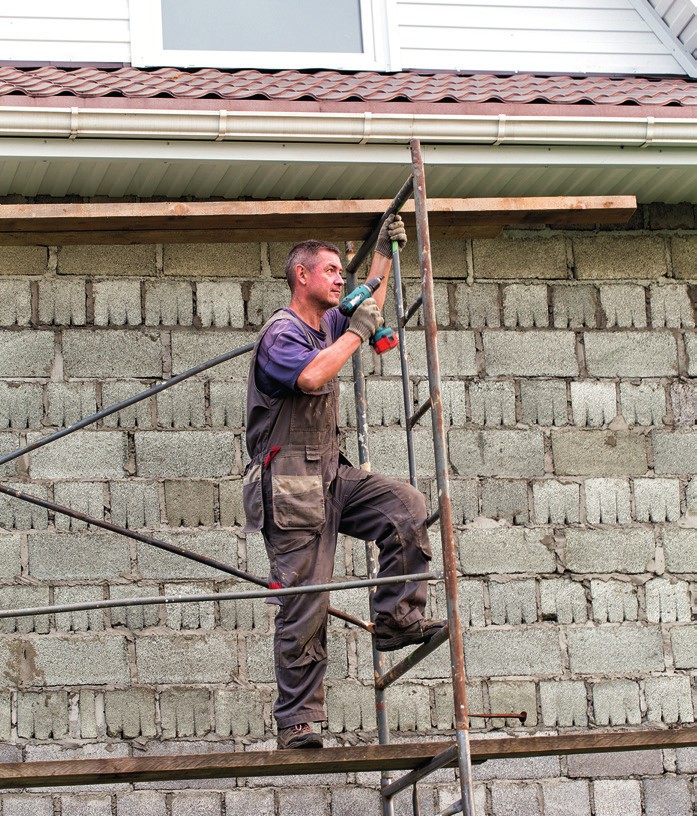
Write a risk assessment for the situation shown in the photograph: identify one hazard, describe the associated risks, and recommend control measures.
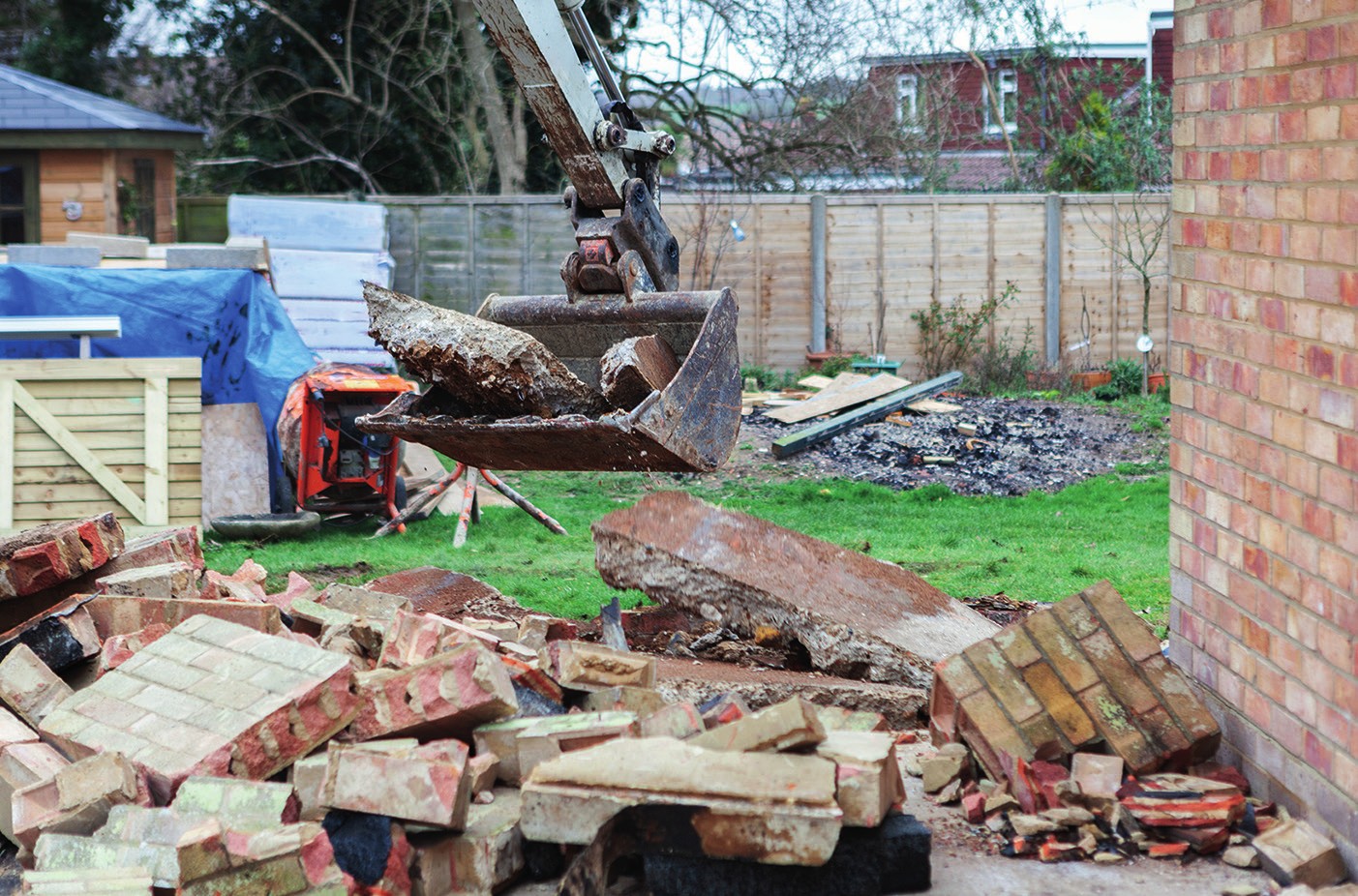
Write a risk assessment for the situation shown in the photograph: identify one hazard, describe the associated risks, and recommend control measures.
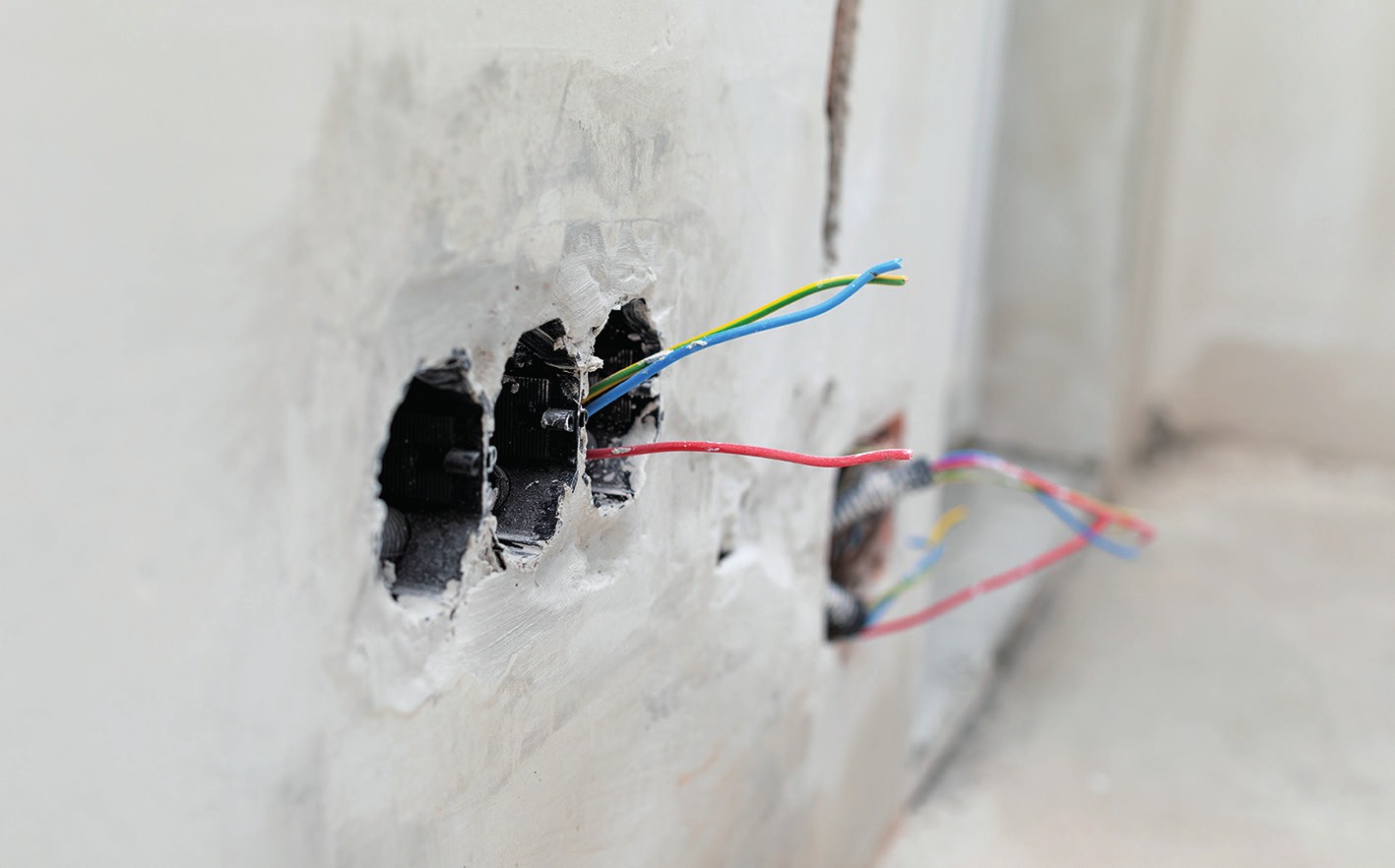
Write a risk assessment for the situation shown in the photograph: identify one hazard, describe the associated risks, and recommend control measures.
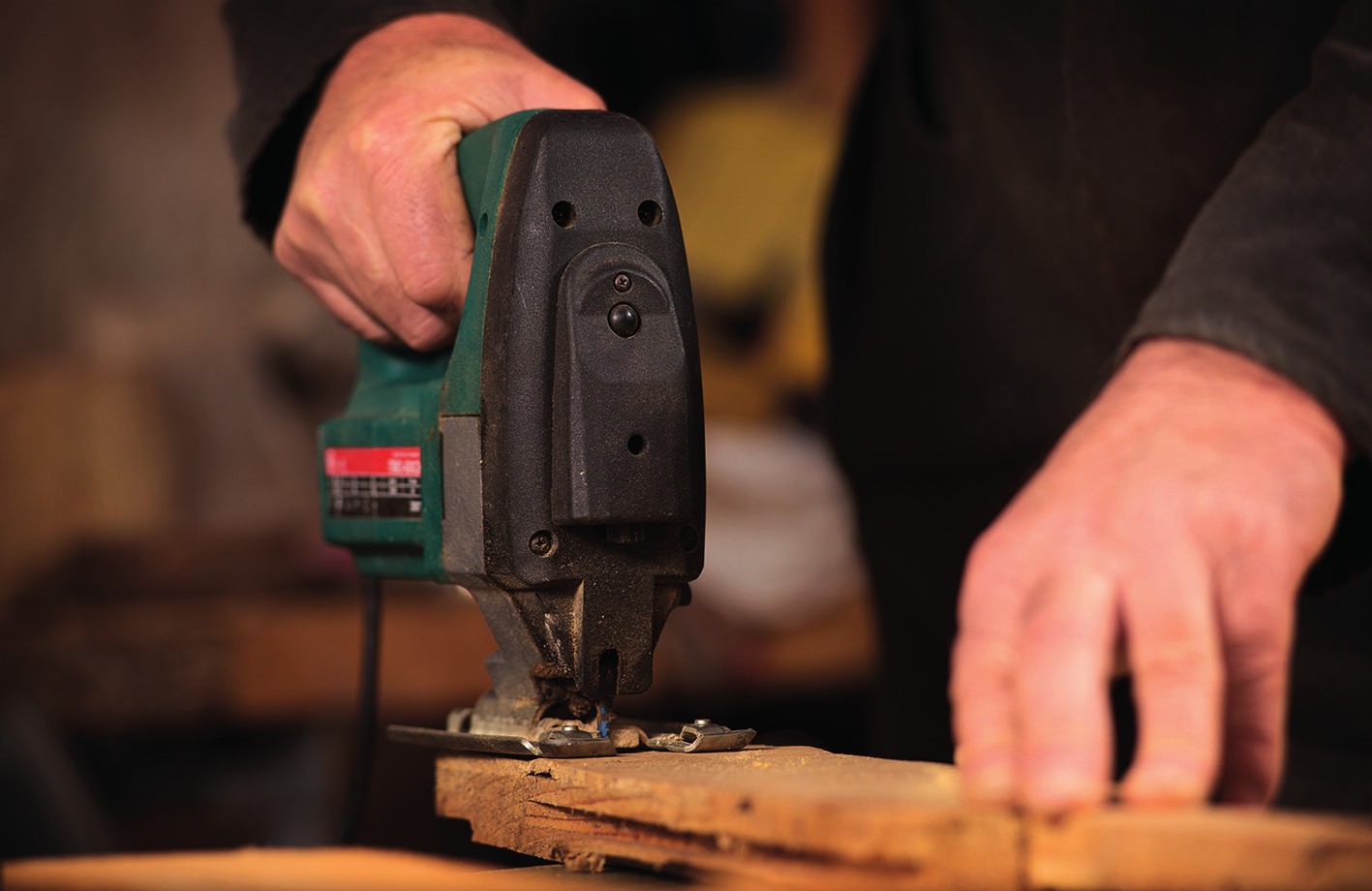
Write a risk assessment for the situation shown in the photograph: identify one hazard, describe the associated risks, and recommend control measures.
State the meaning of each of the following safety signs:
- Blue circle with a hard hat symbol
- Blue circle with safety boot symbol
- Yellow triangle with flame symbol
- Green rectangle with white cross
- Red circle with a walking figure crossed out
Under the Health and Safety at Work Act:
(i) State one area of responsibility of the employer. (ii) State one area of responsibility of the employee.
Name two relevant pieces of legislation that apply to health and safety in the construction industry.
Explain the application and purpose of each of the following items of PPE:
(i) Hard hat (ii) Hi-vis clothing (iii) Protective footwear
State two roles of the HSE (Health and Safety Executive).
Describe two measures a company could take to ensure the security of sensitive data held on laptops used by staff on site.
Identify which type(s) of fire extinguisher can be used on each class of fire:
- Class A (wood, paper, textiles)
- Class B (flammable liquids)
- Class C (flammable gases)
- Class D (metal fires)
- Class F (cooking oils/fats)
Extinguisher types available: Water, Dry Powder, CO2, Foam, Wet Chemical
State one way fire extinguishers should be maintained to ensure they are ready for use.
(This question refers to a photograph of a worker sawing wood with a circular saw, generating dust and noise, without appropriate PPE.)
For each of the following hazards identified in the photograph, describe the risk and state an appropriate control measure:
(i) Sawdust/particles near eyes (ii) Sawdust near lungs (iii) Noise from the saw
A construction site boundary is secured only with a temporary plastic/wire mesh barrier. Explain the security risks this creates.
(Photo 1 shows a worker at height on an unsafe working platform with no guard rails and no PPE.)
Write a risk assessment: identify one hazard, describe the risks, and recommend control measures.
(Photo 2 shows inappropriately stored materials/construction waste and a lack of barrier at the open frontage of a building.)
Write a risk assessment: identify one hazard, describe the risks, and recommend control measures.
(Photo 3 shows an excavation trench with lack of shoring, workers in close proximity to heavy machinery, and potential for water accumulation.)
Write a risk assessment: identify one hazard, describe the risks, and recommend control measures.
(Photo 4 shows an open manhole on a construction site.)
Write a risk assessment: identify one hazard, describe the risks, and recommend control measures.
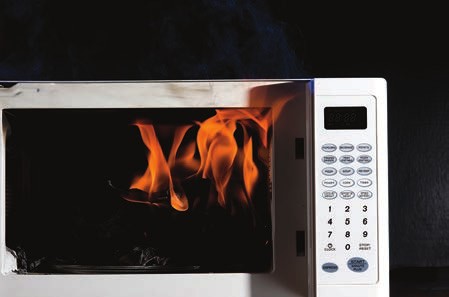
The microwave in a staff canteen caught fire as shown in the photograph.
Suggest two fire extinguishers that could be used on this type of electrical fire.
Identify one fire extinguisher that must not be used on an electrical fire.
For each construction site activity below, identify the most appropriate safety sign and explain the safety benefit associated with each sign.
- Using a demolition hammer
- Working in a dimly lit area
- Applying paint in a confined space
- General work on a construction site
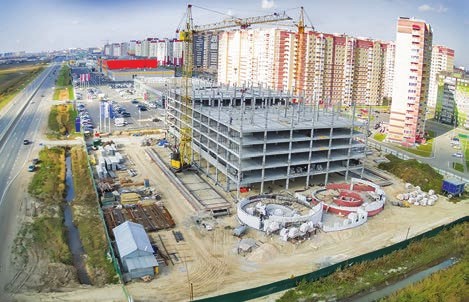
A large construction site has over fifty staff and thirty sub-contractors. With so many workers on site, the delivery of materials, equipment and plant can be very dangerous.
Recommend two control measures that could be used to help ensure the safety of staff when materials, equipment and plant are delivered.
List three responsibilities of the employer under the Health and Safety at Work Act (HASAWA).
List three responsibilities of employees under the Health and Safety at Work Act (HASAWA).
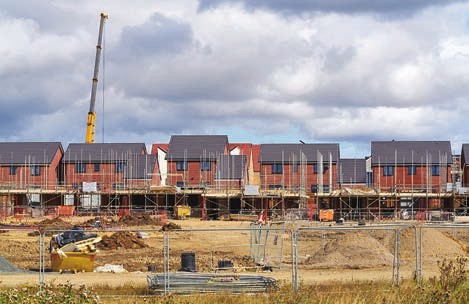
A large housing project uses an active CCTV system monitored live from head office, with footage also recorded.
Explain three benefits of using this type of CCTV technology for safety and security purposes.
Houses from phase one of a development will be occupied before phase two is completed. Children living there may want to explore the active construction site next door.
Identify and explain one health and safety risk to the children.
Identify and explain one other risk to people living in houses next to an active construction site.
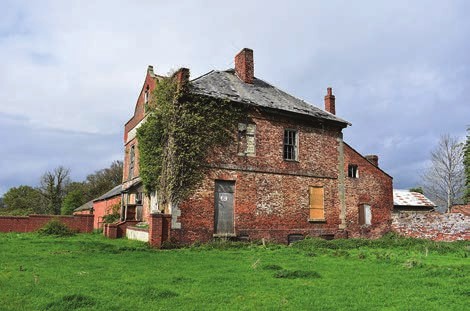
(The photographs show a large isolated manor house and a disused swimming pool within its grounds, to be refurbished. The site is surrounded by fields and woodland.)
Identify three potential security risks for this site.
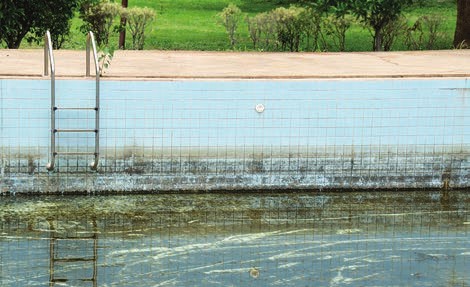
(The disused swimming pool is within the grounds of the site.)
Describe one measure which could be used to minimise one of the security risks you identified.
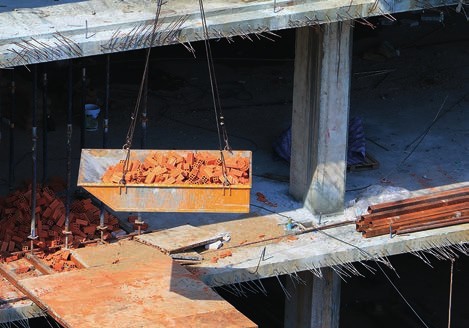
(Photo 1 shows a skip of bricks being lifted by crane on a construction site with scaffolding.)
Complete the risk assessment: identify one hazard, describe the associated risks, and recommend appropriate control measures.
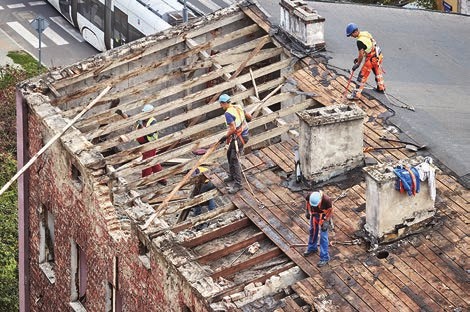
(Photo 2 shows workers on a roof with very little protection.)
Complete the risk assessment: identify one hazard, describe the associated risks, and recommend appropriate control measures.
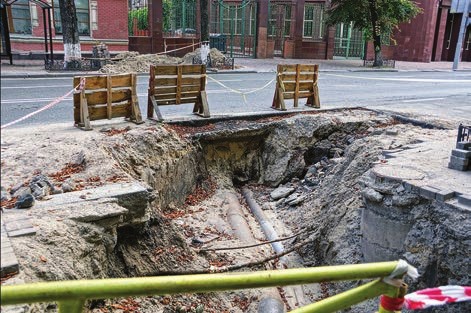
(Photo 3 shows a trench/excavation with lack of safety signage and barriers near vehicles.)
Complete the risk assessment: identify one hazard, describe the associated risks, and recommend appropriate control measures.
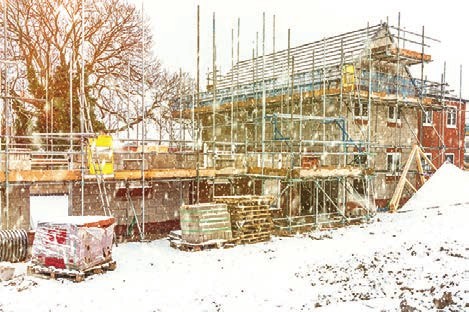
(Photo 4 shows a construction site covered in snow and ice.)
Complete the risk assessment: identify one hazard, describe the associated risks, and recommend appropriate control measures.
A site safety sign has five missing pieces of text. The sign already shows symbols for: Hi-vis clothing must be worn / Danger / No entry / Fragile roof / Emergency Telephone.
Write the missing descriptive text for each of the five symbols shown on the site safety sign.
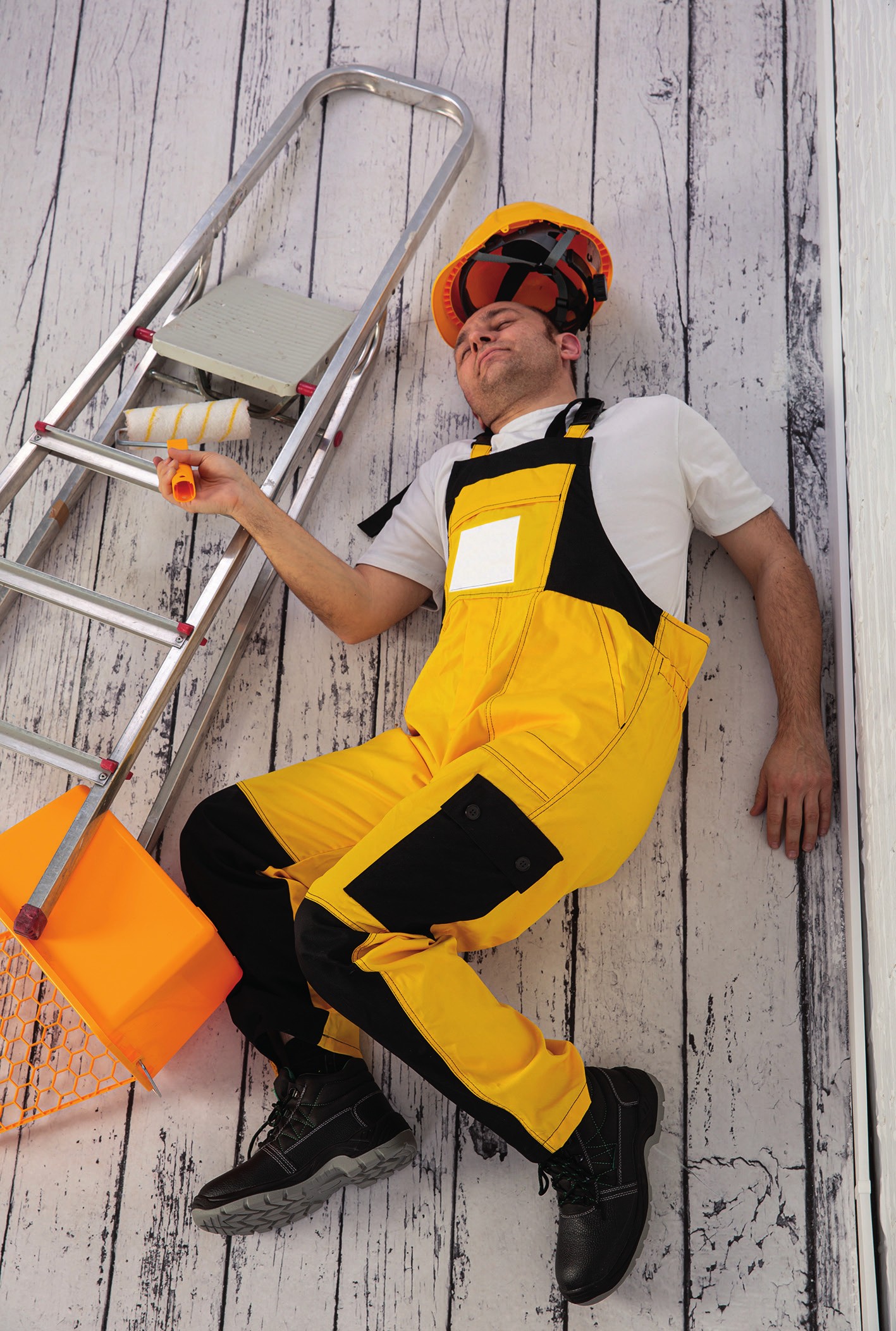
A security camera took this photograph of an accident caused by a faulty stepladder. The HSE was involved.
Identify one health and safety responsibility of:
(i) An employer
(ii) An employee
Name two pieces of legislation that would cover the stepladder accident.
The worker was wearing some appropriate PPE. Explain how the following help prevent or reduce the risk of injury:
(i) Hard hat
(ii) Hi-vis clothing
(iii) Protective footwear
Describe the role of the Health and Safety Executive (HSE).

The GDPR means companies are accountable for the handling of personal information. Site managers routinely have data regarding members of staff on their computers.
Describe two measures site managers could take to protect personal information on computers.
Complete the diagram by matching each fire extinguisher to the type(s) of fire it can be used on.
| Fire types: A = Wood/Paper/Textiles | B = Cooking oil | C = Live electrical equipment | D = Flammable liquids | E = Gas |
Extinguishers: Water / Dry Powder / CO2 / Foam / Wet Chemical
| Description |
|---|
State one control measure used to ensure fire extinguishers are kept in working order.
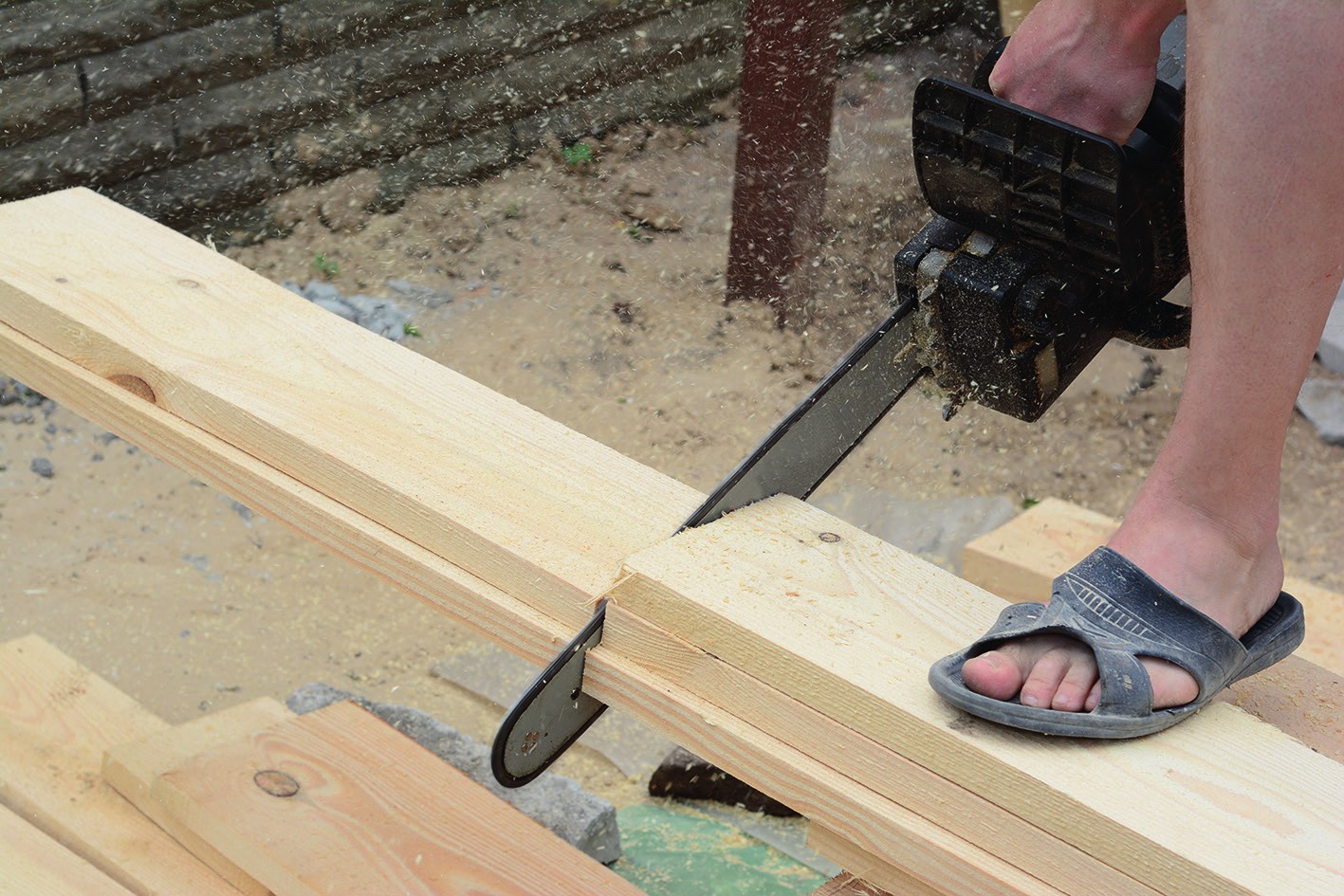
The photograph shows a worker using a cutting tool with no visible PPE.
Explain three health hazards to the worker in the photograph and identify one possible control measure for each hazard.
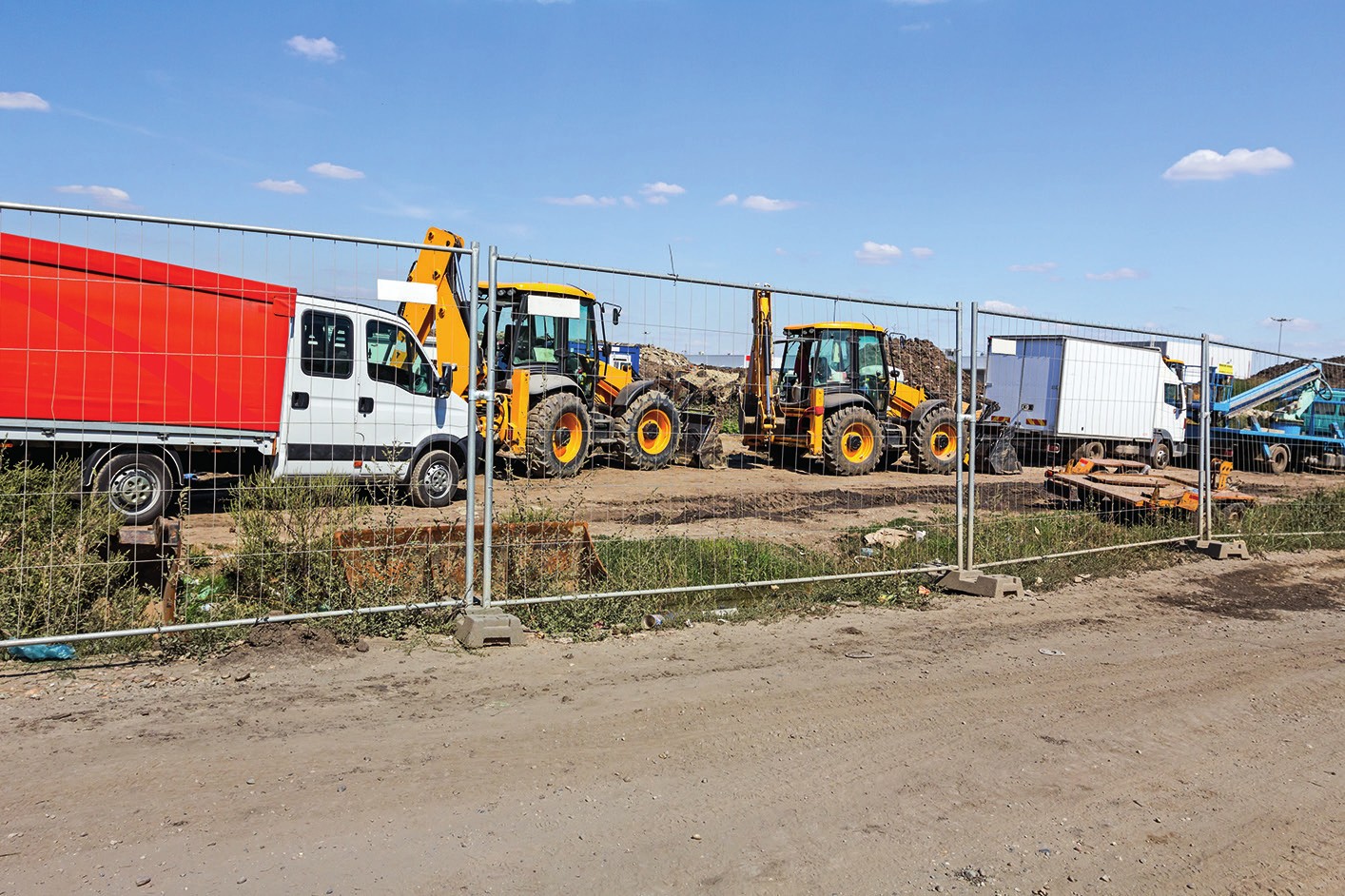
The photograph shows a temporary barrier used at a construction site.
Explain why the barrier shown may be a security risk.
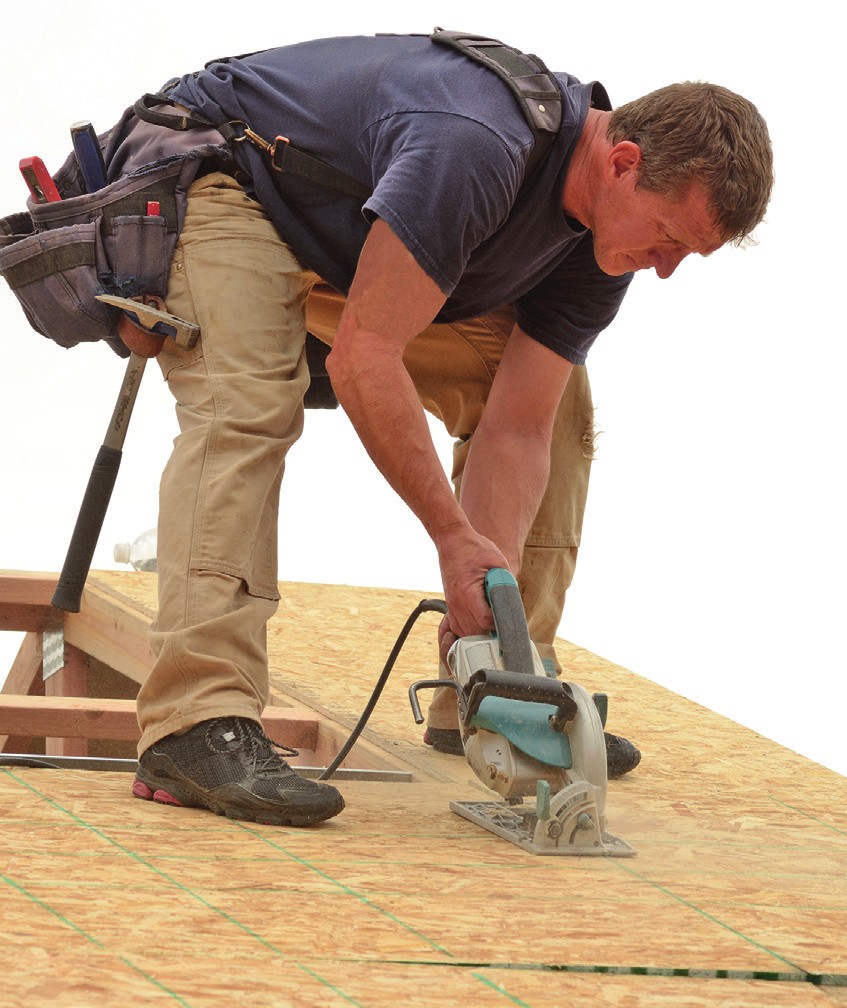
(Photo 1 shows a worker kneeling and using a circular saw with no visible PPE — no eye protection, no gloves, wearing trainers.)
Complete the risk assessment: identify one hazard, describe the associated risks, and recommend appropriate control measures.
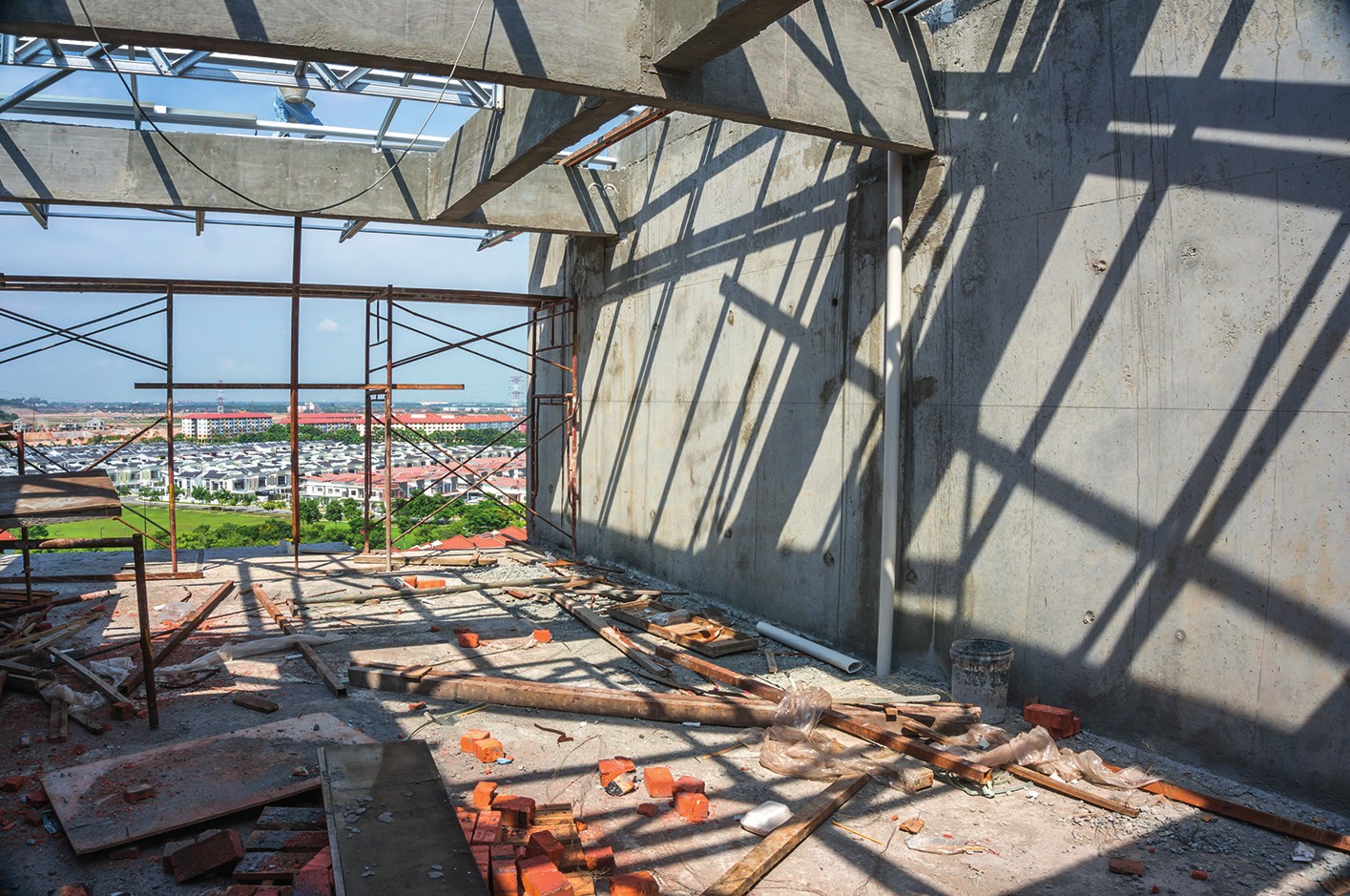
(Photo 2 shows the interior of a derelict building with debris, exposed structural members and a damaged roof.)
Complete the risk assessment: identify one hazard, describe the associated risks, and recommend appropriate control measures.
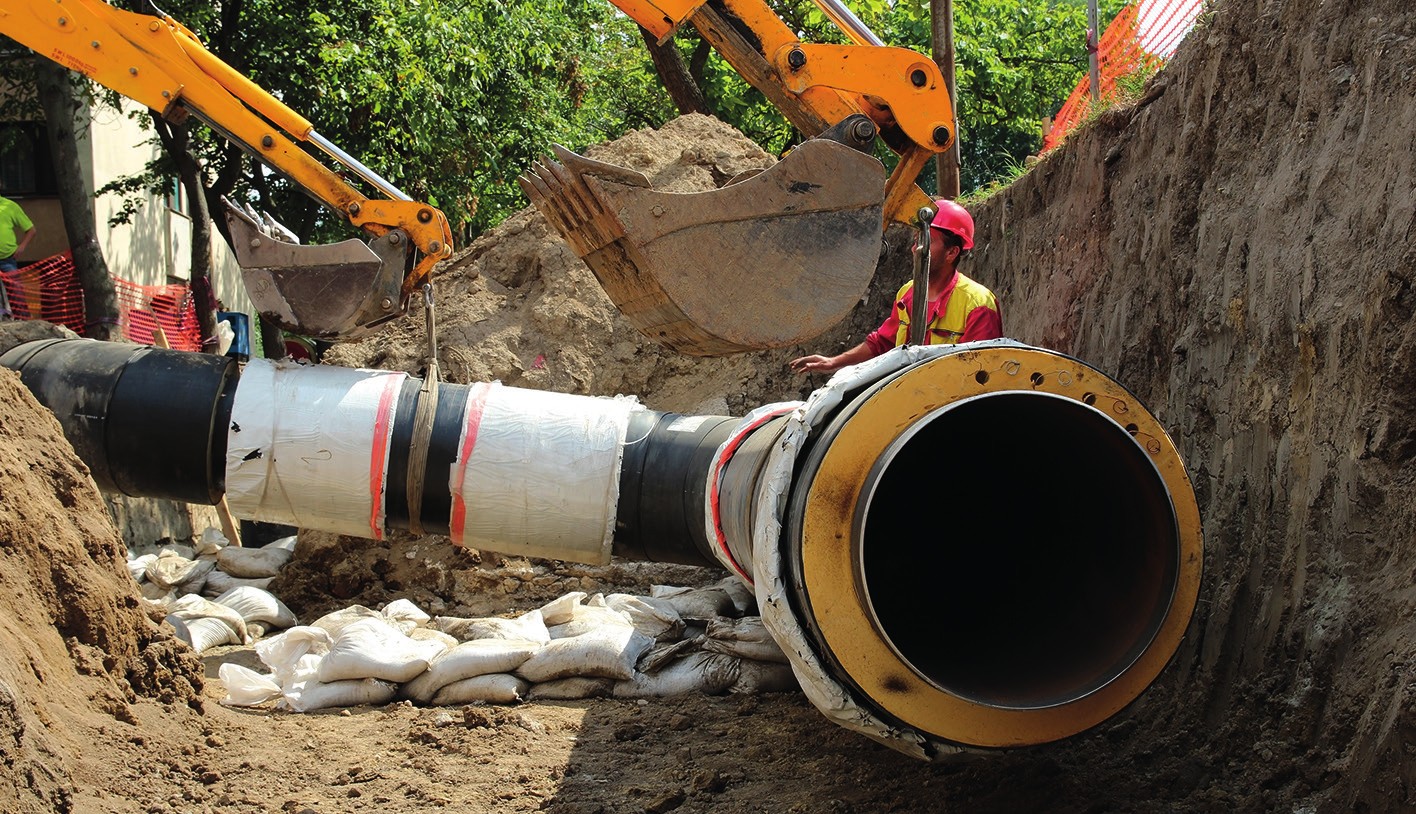
(Photo 3 shows an excavation/trench with a large pipe being lowered by machinery, workers present nearby.)
Complete the risk assessment: identify one hazard, describe the associated risks, and recommend appropriate control measures.
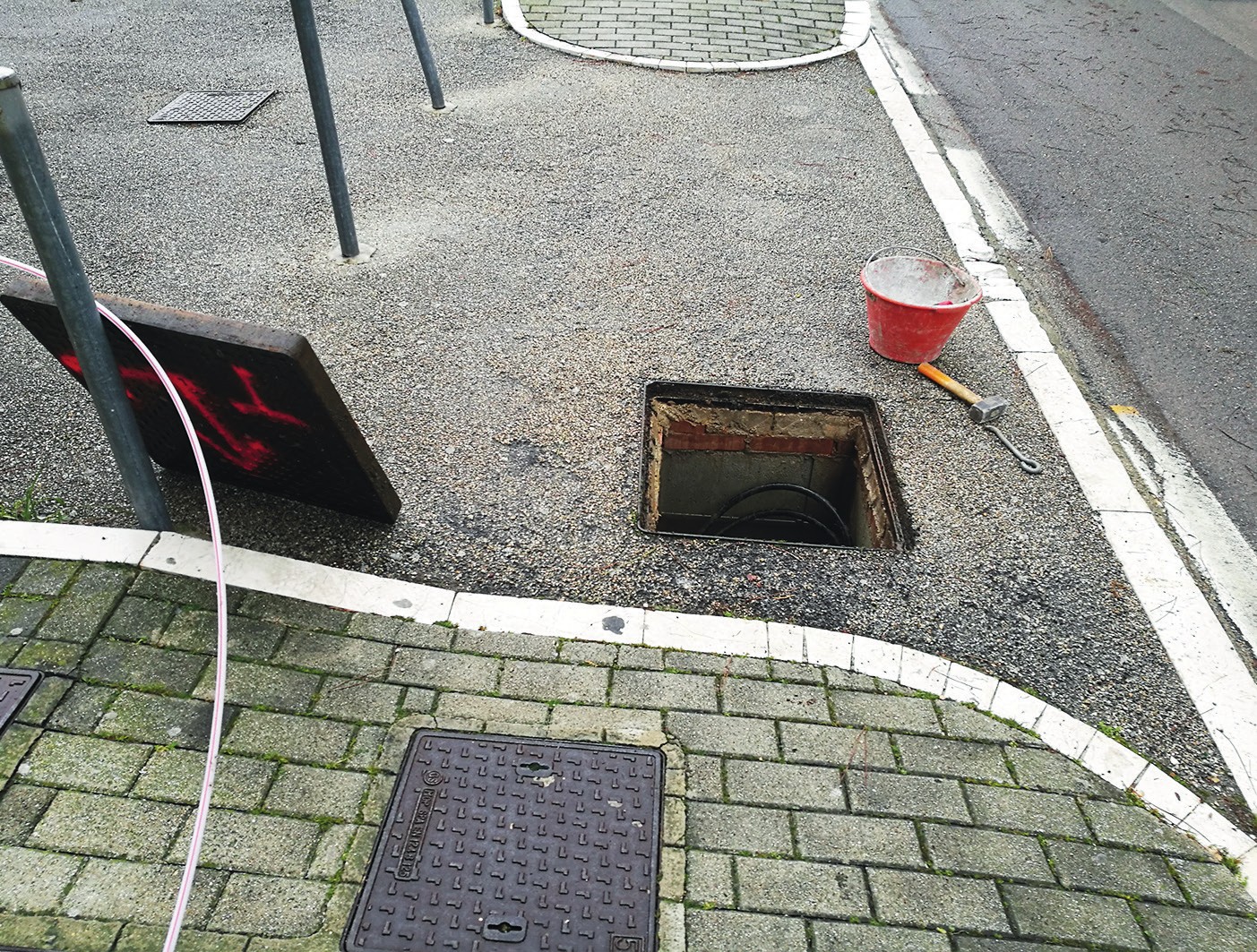
(Photo 4 shows a flat roof with open unguarded holes/skylights and materials nearby.)
Complete the risk assessment: identify one hazard, describe the associated risks, and recommend appropriate control measures.
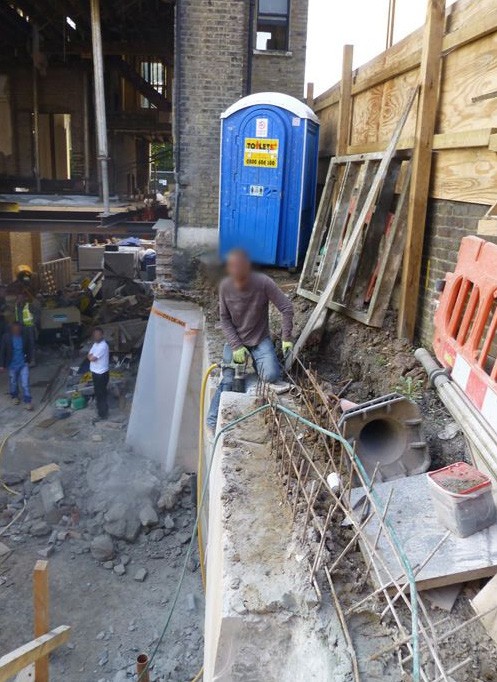
The HSE has been informed that a construction site may not be operating safely and an inspector has been sent to investigate.
Identify three safety concerns with this construction site.
What action do you think the HSE inspector would take in this situation?
State one other action the HSE inspector could take.
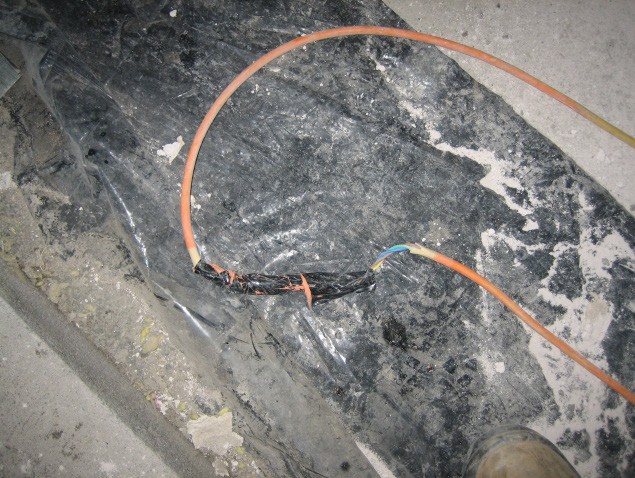
A member of staff is about to use a disc cutter but has noticed it has a damaged power cable as shown in the photograph.
State three responsibilities the employee has under the Health and Safety at Work Act.
During the renovation of a building, asbestos was found in the ceiling.
Name two pieces of legislation which would cover this situation.
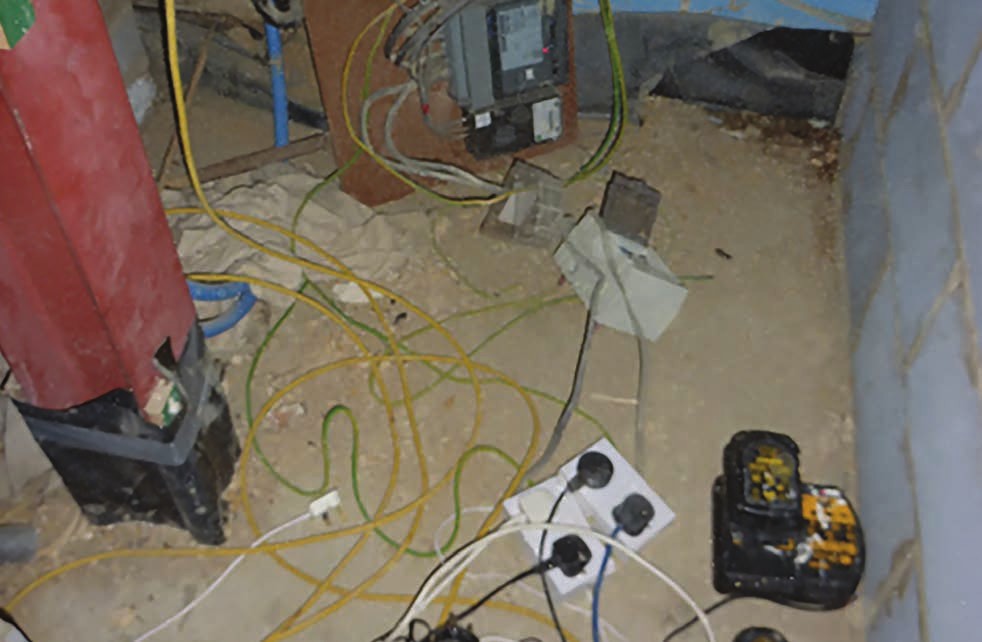
A room containing electrical equipment later caught fire.
State one fire extinguisher which would be suitable to use for the fire in this room and why.
State one fire extinguisher which would not be suitable for use for the fire in this room and why not.
Outline two typical control measures for each situation below and provide a reason for each measure.
Situation 1: Mixing cement by hand
Situation 2: Cutting ceramic floor tiles with an electric tile cutter
Situation 3: Using an industrial saw to cut large timber beams in a workshop
A site safety sign has had two signs and two pieces of text removed. The sign already shows: All accidents must be reported immediately / Warning: Dangerous site. Parents are advised to warn their children of the dangers of entering this site.
(a) Write the missing text into the two text boxes provided. [2]
(b) Select the two missing signs from options A–E. [2]
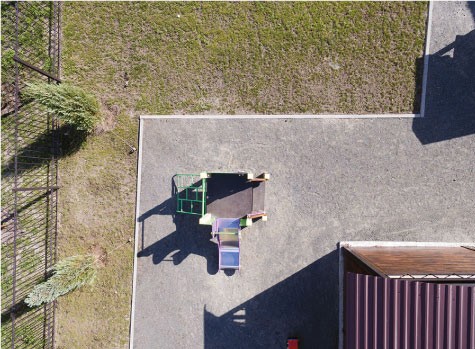
A construction site is next to a children’s play area. Due to a design fault, children can squeeze through gaps in the fence and enter the site. A wall is to be built but will take at least four weeks.
Identify two risks to the children.
Describe a control measure to minimise one of the risks to the children and give a reason for your choice.
Identify two risks to the construction site from the fence gap.
Describe a control measure to minimise one of the risks to the site and give a reason for your choice.
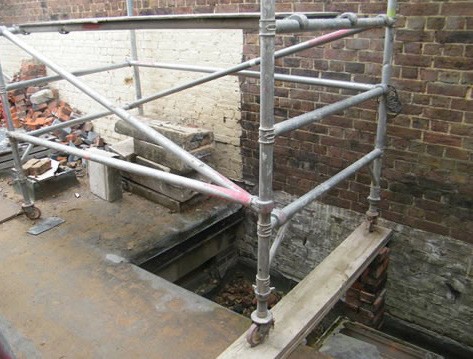
(Photo 1 shows an unsafe working platform on wheels with a plank across it over a hole.)
Complete the risk assessment: identify one hazard, describe the associated risks, and recommend appropriate control measures.
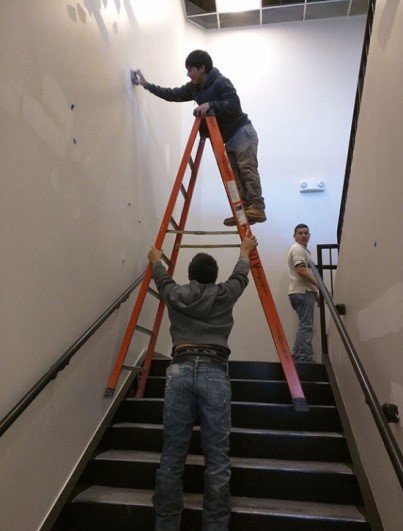
(Photo 2 shows a ladder being used on a staircase, with one person on the ladder and another holding it from below.)
Complete the risk assessment: identify one hazard, describe the associated risks, and recommend appropriate control measures.
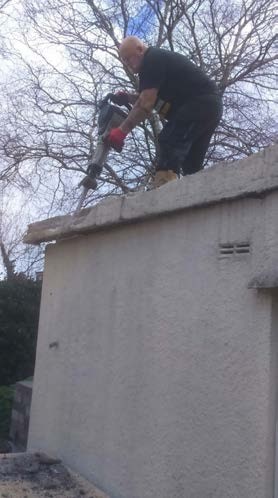
(Photo 3 shows a worker using a jackhammer on the edge of a wall with no guardrail and no PPE.)
Complete the risk assessment: identify one hazard, describe the associated risks, and recommend appropriate control measures.
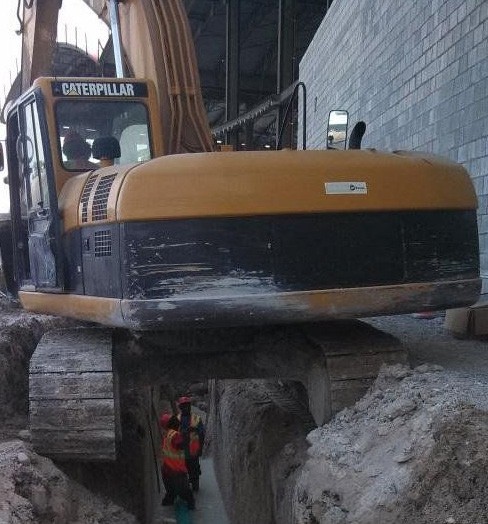
(Photo 4 shows a Caterpillar excavator working in an unstable position over a trench with workers present below.)
Complete the risk assessment: identify one hazard, describe the associated risks, and recommend appropriate control measures.